ChuckwillOkefenokee Stories Open the map
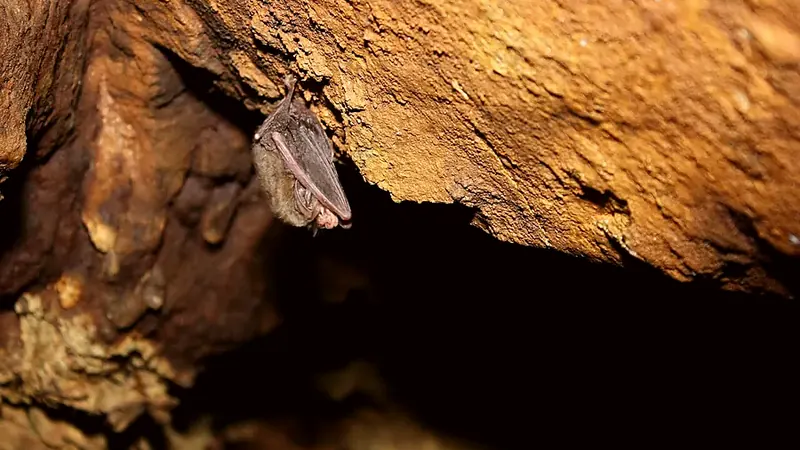
Rafinesque's big-eared bat
Animals ยท Rare and protected animals

Bats: Rafinesque's big-eared bat and the tricolored bat

Suwannee Canal Recreation Area · 1:05

Photo: USFWS / Gary Peeples
0:00 / 1:05
Bats: Rafinesque's big-eared bat and the tricolored batOpen the map
What Rodney says

Rafinesque's big-eared bat is a species of concern and is on Georgia's list of rare species. NatureServe ranks it globally vulnerable. Early records from nineteen twenty-seven said it was the most common bat in summer. Its main roost sites are hollow cavities in large old-growth cypress trees.

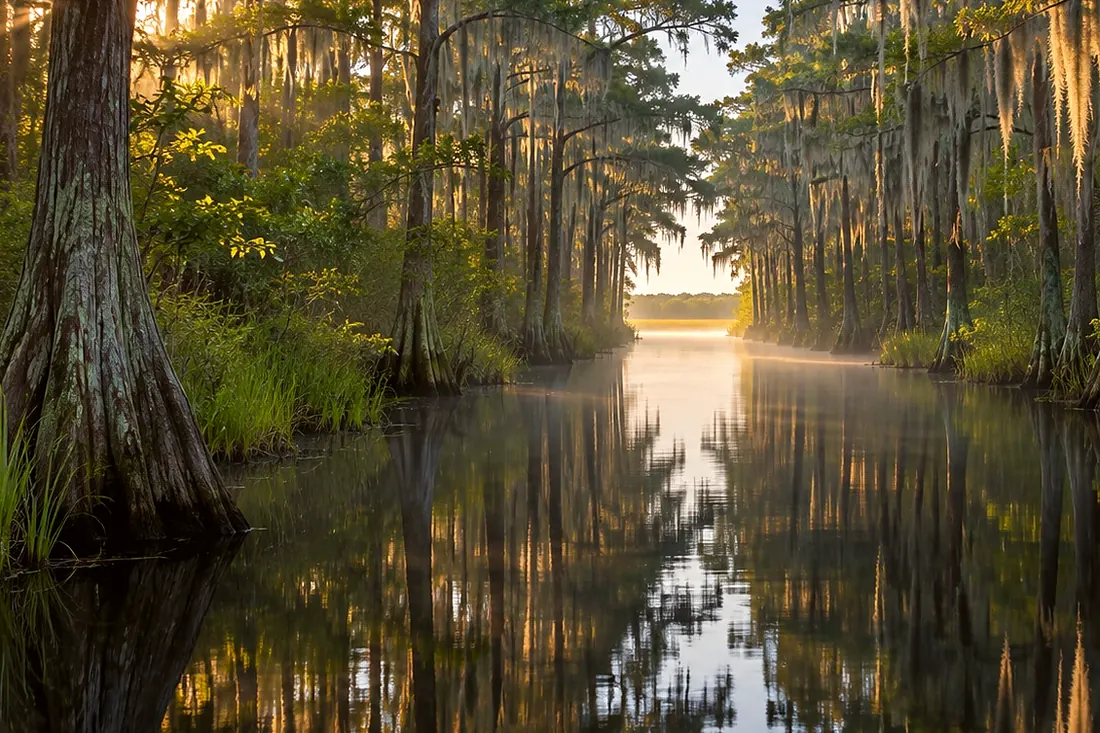
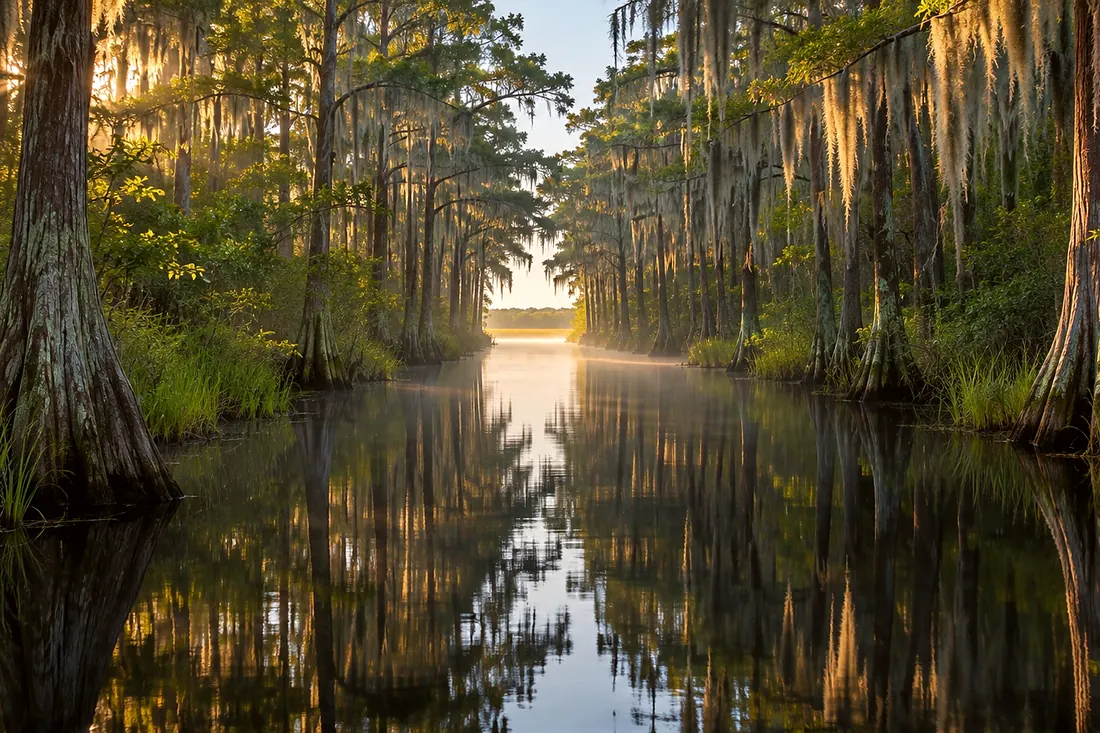
Most of the large cypress were cut before the refuge was established. So a lack of roost sites may be limiting the bat. Surveys over five years found only two.

The tricolored bat was proposed for federal listing as endangered in twenty twenty-two. The chief cause of its decline is white-nose syndrome, a deadly fungus common further north. In Florida and likely south Georgia, tricolored bats are declining without white-nose syndrome. The cause there is not yet known.

The most common bats on the refuge now are the evening bat and the eastern red bat. So the rare bats are the ones to listen for, and to hope for.
Suwannee Canal
Where it is

Suwannee Canal Recreation Area

On the map at Suwannee Canal Recreation Area. Turn on Follow me and it plays when you get there.

8 of 13 · Rare and protected animals
Open the map →
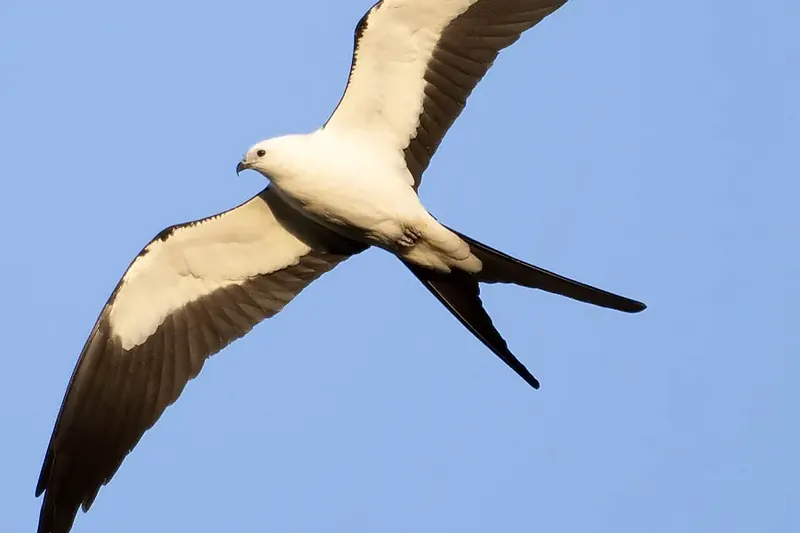
Swallow-tailed kitePhoto: USFWSNext listenSwallow-tailed kiteSuwannee Canal Recreation Area · 1:09Listen →
Also at this place
Rare and protected animals
  1. Rare and protected animals
  2. Red-cockaded woodpecker
  3. Eastern indigo snake
  4. Gopher tortoise
  5. Frosted flatwoods salamander, striped newt and gopher frog
  6. River animals: snapping turtle, sturgeon, manatee
  7. Round-tailed muskrat
  8. Bats: Rafinesque's big-eared bat and the tricolored bat
  9. Swallow-tailed kite
  10. Ivory-billed woodpecker
  11. Florida panther and the animals that left
  12. Bachman's sparrow and the pine-savanna birds
  13. Pack closing

All of Animals →