01Major animals
Pack opening
Suwannee Canal Recreation Area
Hey guys, we got an adventure for y'all today. Y'all come on with us into the Okefenokee, to meet the animals that live there.
0:00 / 0:23
The major animals first, then the rare and protected ones, one short listen each, with a photo and the full text.
Suwannee Canal Recreation Area
Hey guys, we got an adventure for y'all today. Y'all come on with us into the Okefenokee, to meet the animals that live there.
Suwannee Canal Recreation Area
These are the animals you are most likely to meet.
Suwannee Canal Recreation Area
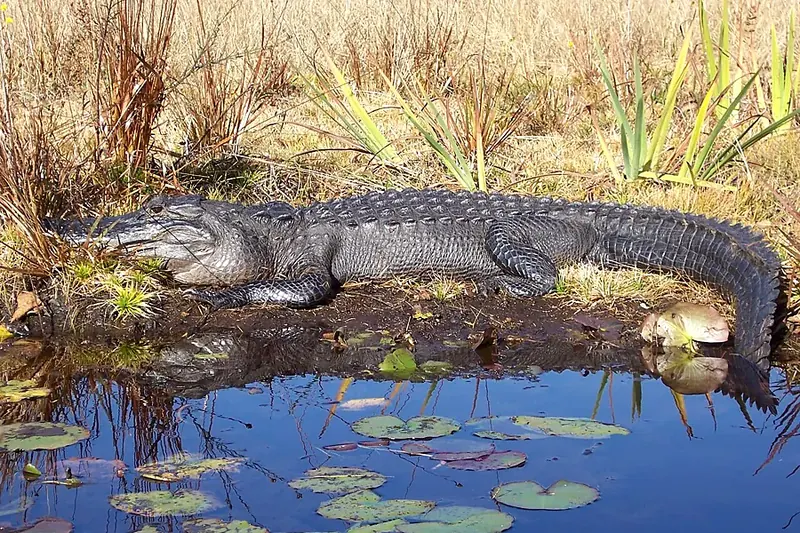
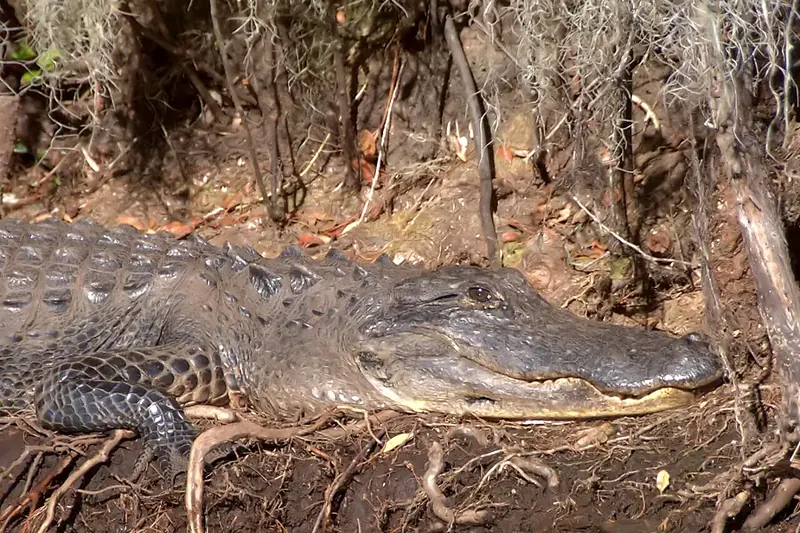
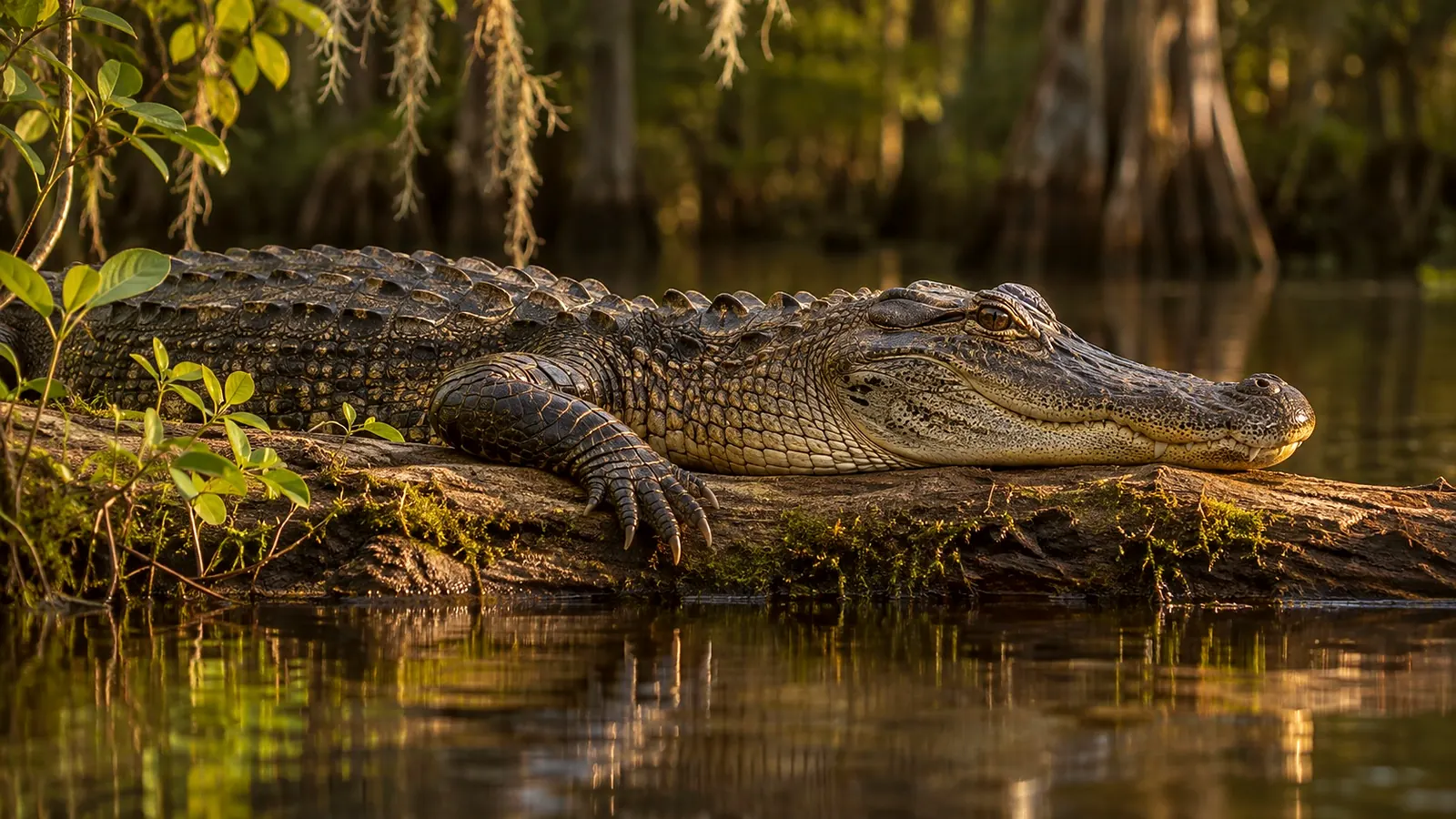
The Okefenokee has one of the largest populations of the American alligator. The only other alligator species in the world lives only in China.
Suwannee Canal Recreation Area
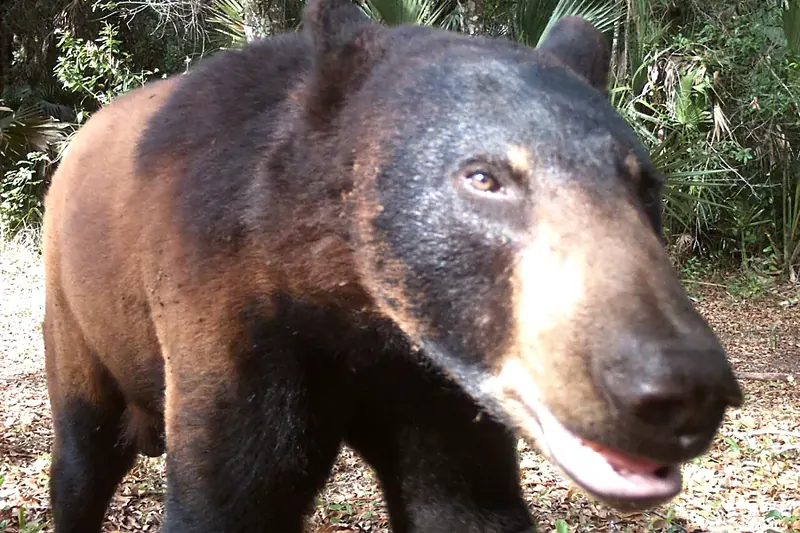
The Florida black bear once lived throughout Florida and the coastal plains of Georgia, Alabama and Mississippi.
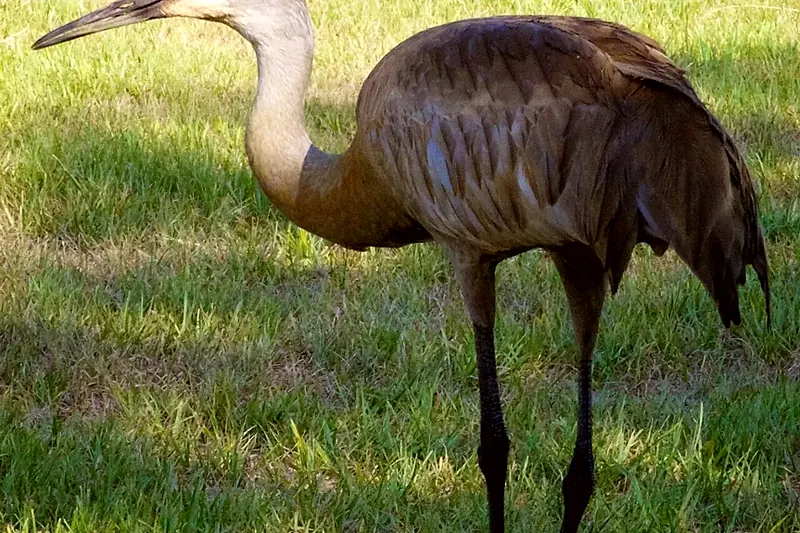
The Florida sandhill cranes live here all year. They do not migrate, and they are isolated from other crane populations in the southeast.
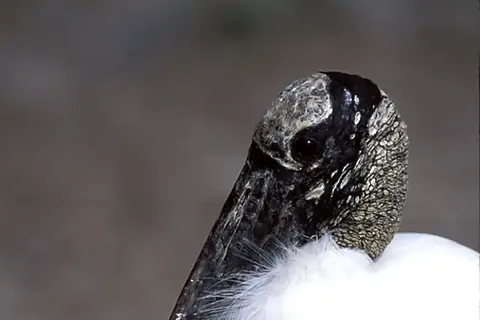
The wood stork is also known locally as wood ibis, iron head or gannet. It is listed as threatened.
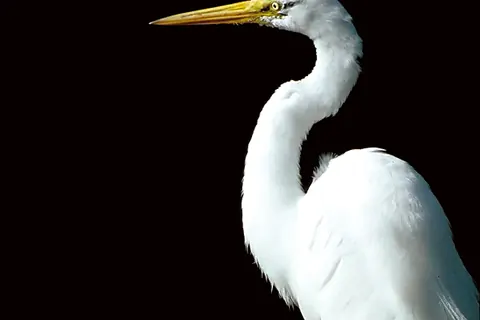
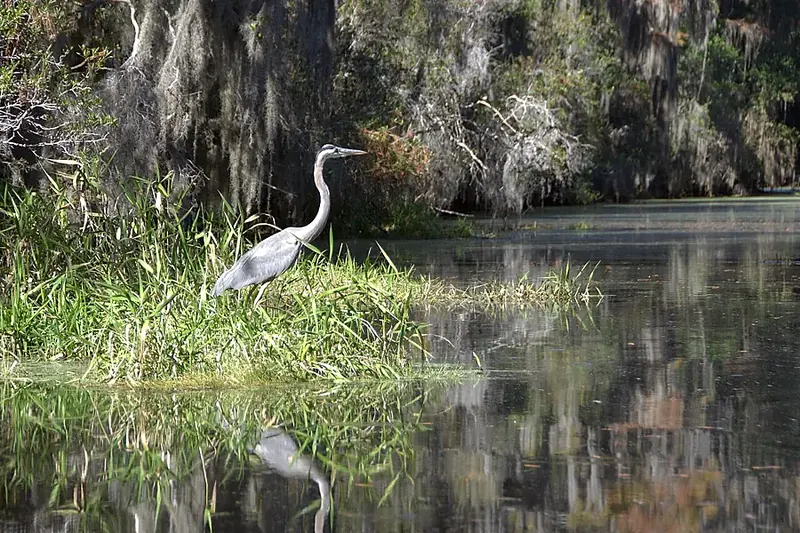
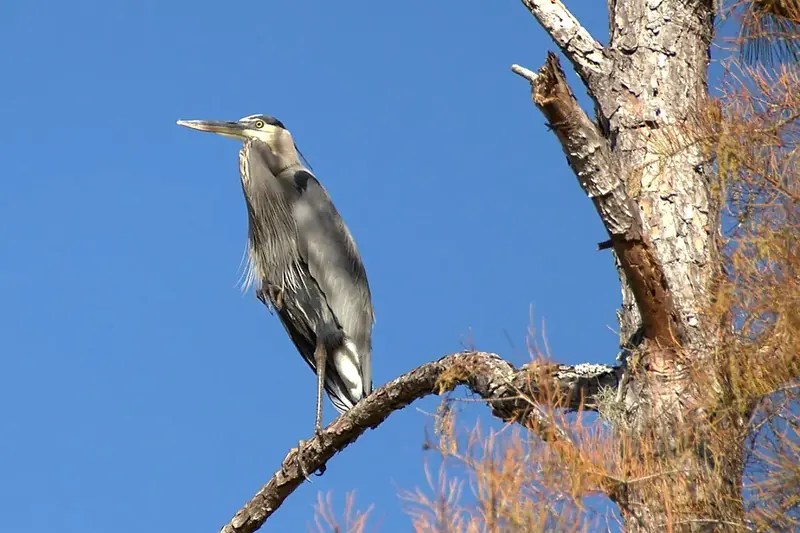
The refuge supports large numbers of wading birds. Great egrets, great blue herons and white ibis are among them.
Suwannee Canal Recreation Area
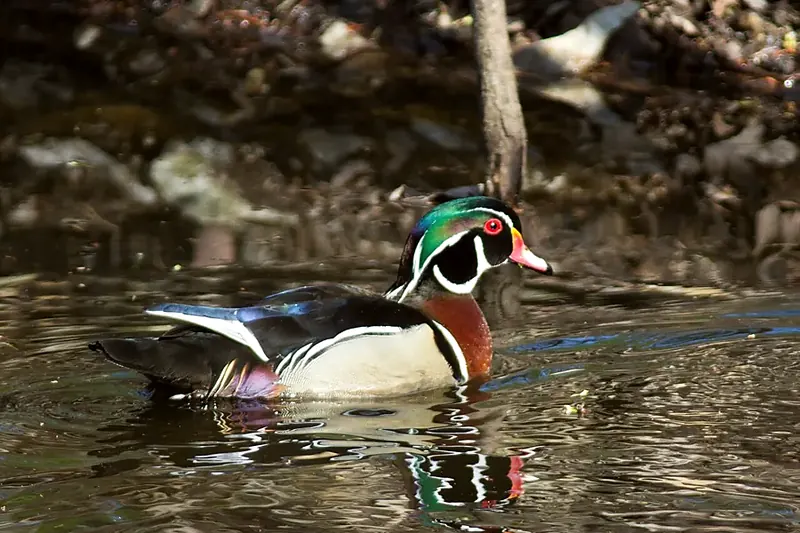
Wood ducks use the refuge all year. They are the most common resident waterfowl here.
Suwannee Canal Recreation Area
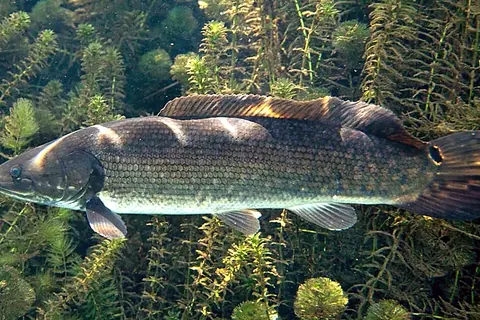
The refuge has thirty-nine fish species. The numbers belong to bowfin and flier.
Suwannee Canal Recreation Area
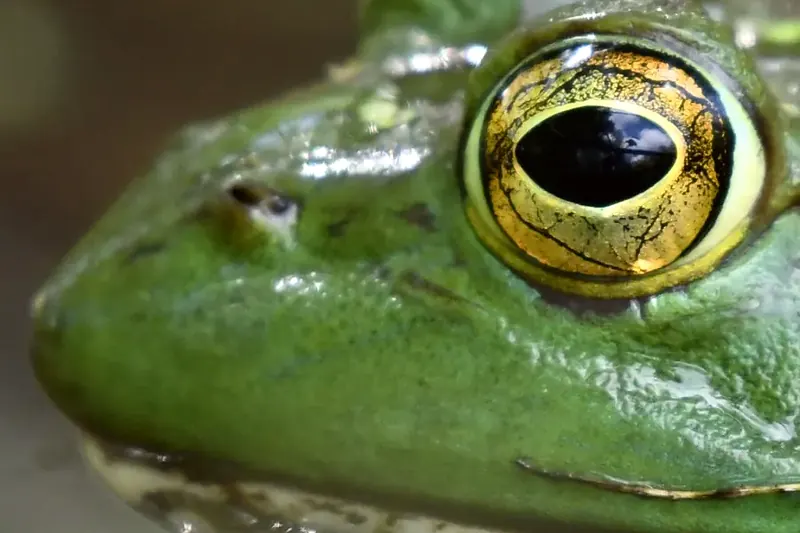
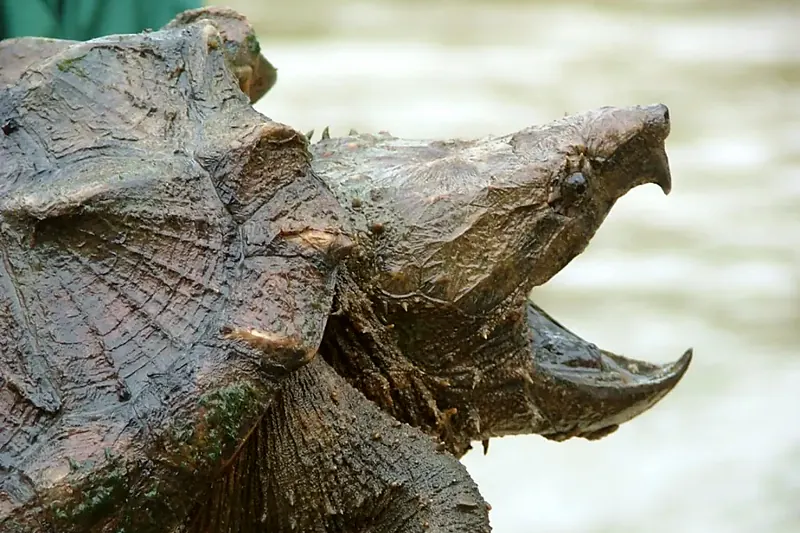
The swamp became world renowned for its amphibians and reptiles, even before it was a refuge.
Suwannee Canal Recreation Area
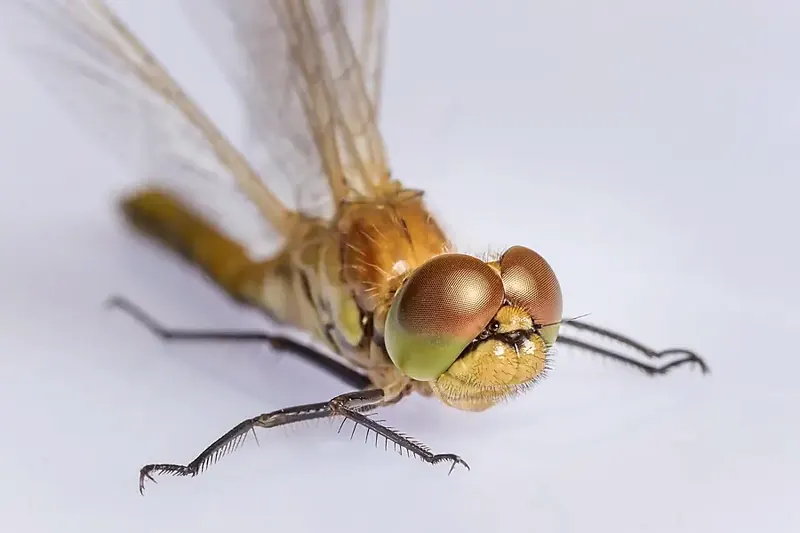
Out of sight, the swamp runs on small animals. In warm, humid places the refuge has exceptional invertebrate diversity.
Suwannee Canal Recreation Area
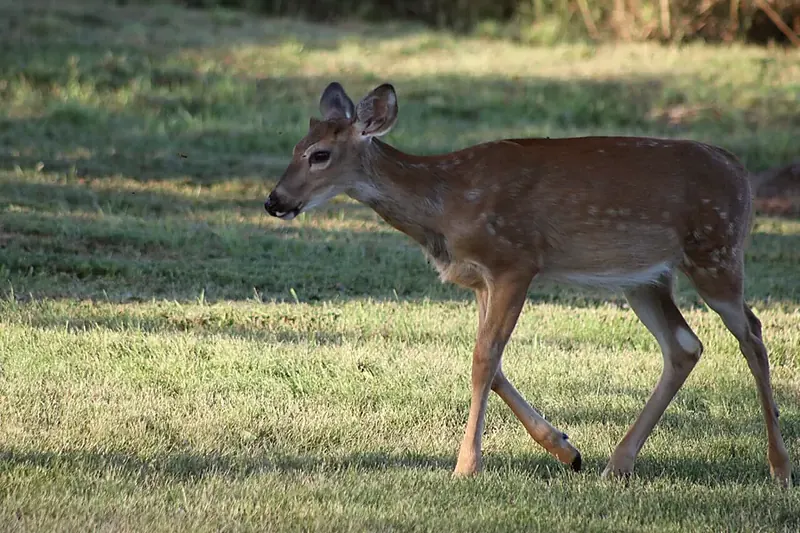
The refuge has forty-eight mammal species. Ten of them are found only in the Coastal Plain.
Suwannee Canal Recreation Area
Now the rare ones. The nomination counts twenty-four species in the Okefenokee on the IUCN Red List.
Suwannee Canal Recreation Area
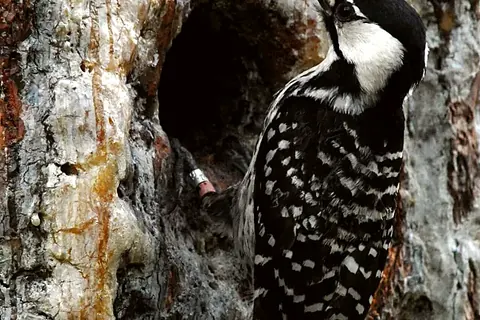
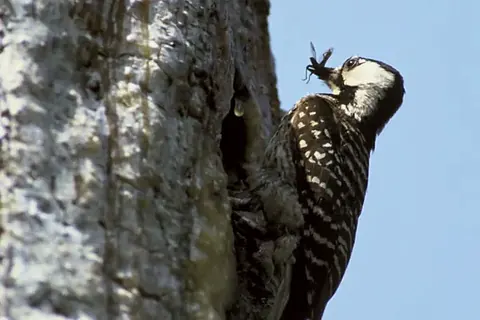
The red-cockaded woodpecker is listed as threatened. The refuge is part of a recovery population for the bird.
Suwannee Canal Recreation Area
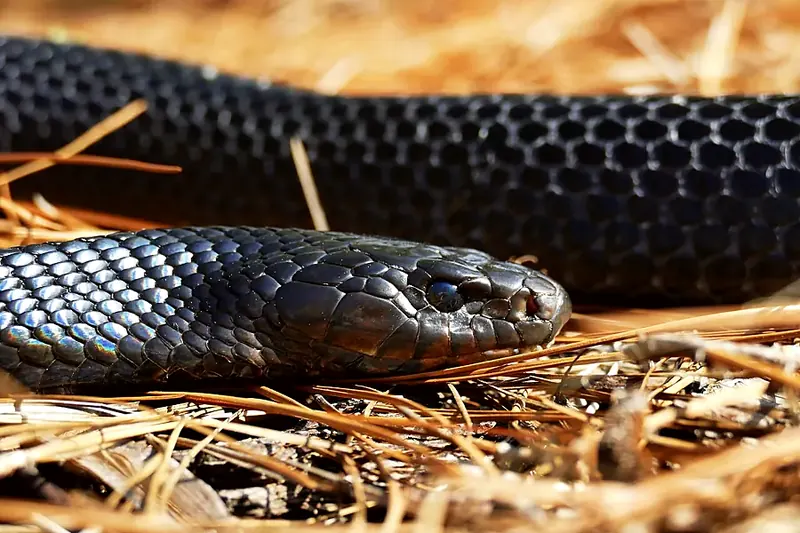
The eastern indigo snake is listed as threatened. It is Georgia's and North America's largest snake, up to about eight feet.
Suwannee Canal Recreation Area
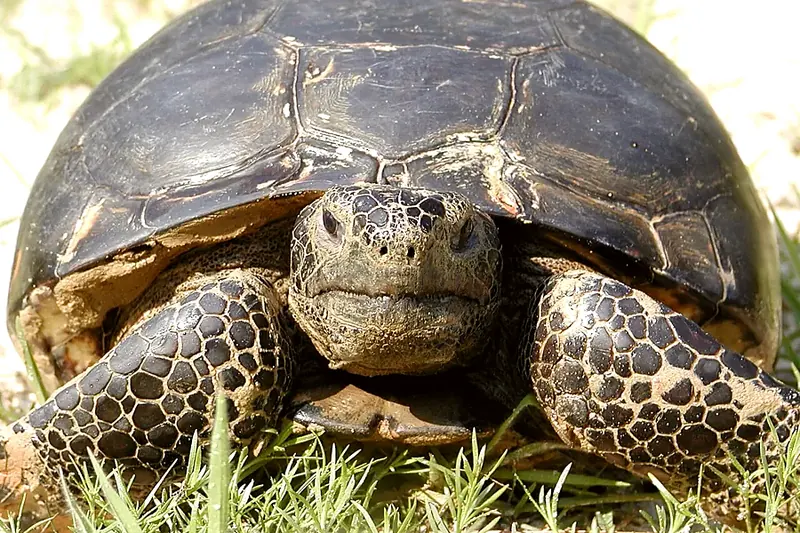
The gopher tortoise lives in the Coastal Plain from South Carolina to Louisiana. It has declined over most of that range.
Suwannee Canal Recreation Area
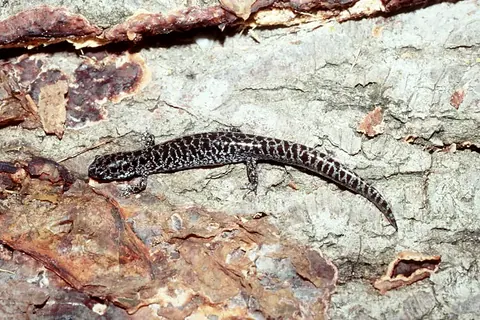
The frosted flatwoods salamander is listed as threatened. The refuge manages its ephemeral upland ponds for it, the striped newt and the gopher frog.
Suwannee Canal Recreation Area
Some of the swamp's rare animals live downstream. Water leaves the swamp two ways, the Suwannee to the Gulf and the Saint Marys to the Atlantic.
Suwannee Canal Recreation Area
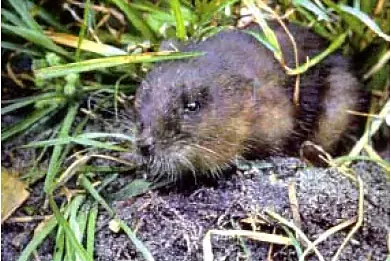
In Georgia, the round-tailed muskrat lives only in the refuge and one other ecosystem in south-central Georgia.
Suwannee Canal Recreation Area
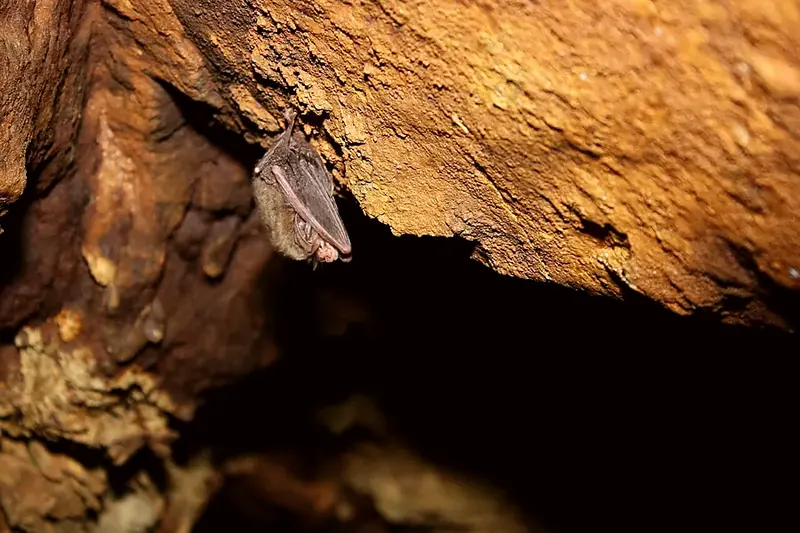
Rafinesque's big-eared bat is a species of concern and is on Georgia's list of rare species. NatureServe ranks it globally vulnerable.
Suwannee Canal Recreation Area
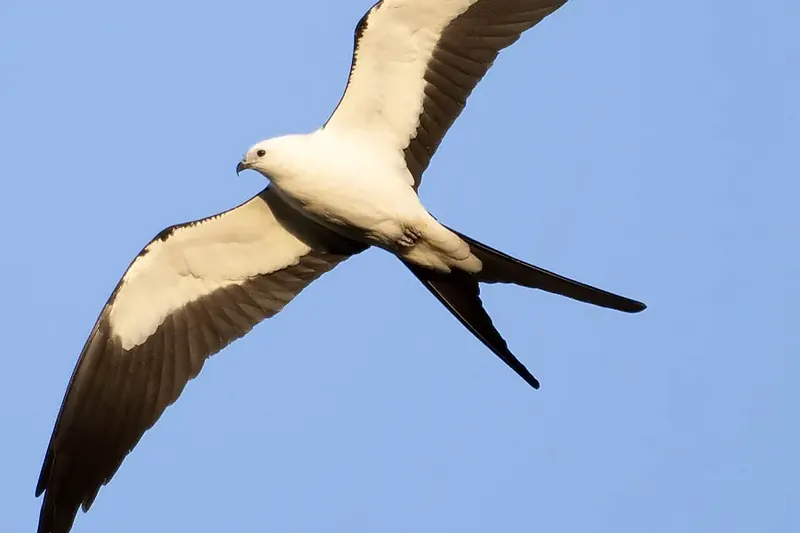
Early records say swallow-tailed kites were commonly seen over the islands. Kites once lived as far north as Minnesota.
Suwannee Canal Recreation Area
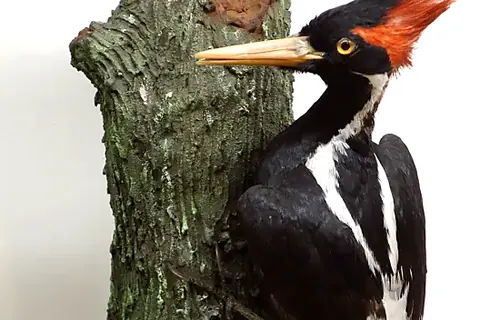
The ivory-billed woodpecker is North America's largest woodpecker. It is believed to be extinct, though unconfirmed reports still come in.
Suwannee Canal Recreation Area
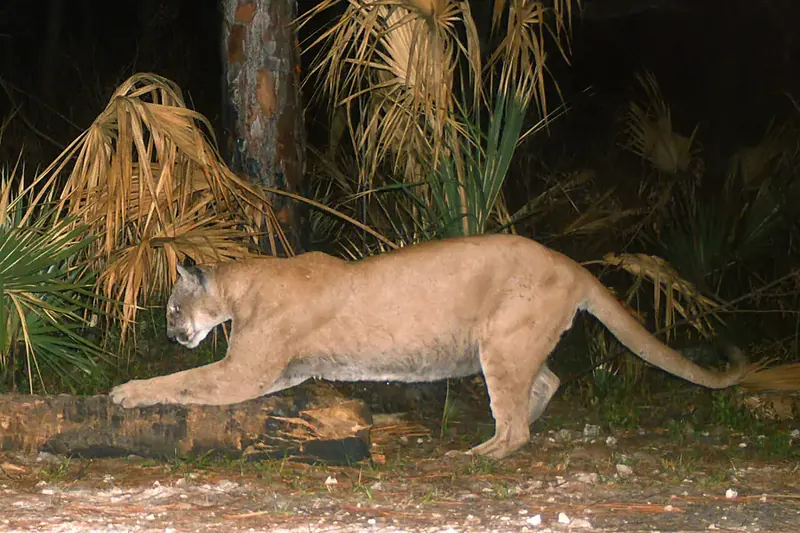
Three species have disappeared from the refuge over the last century or century and a half.
Suwannee Canal Recreation Area
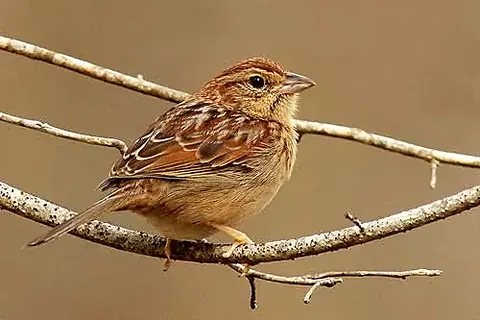
Bachman's sparrows are ranked globally vulnerable by NatureServe. The refuge lists the sparrow among its species of special conservation concern.
Suwannee Canal Recreation Area
That's the field guide so far. Come back and tap another animal any time. The swamp changes with the water and the seasons, and so does what you see.